orality and storytelling
-
The question of Odysseus and the indefinitely multiple
You may not have read Homer, but you'll have heard of this summer's blockbuster version of The Odyssey. It gave me an unexpected new take on an old story of the indefinitely multiple.
-
Learning to read the signs with Samuel Pepys
This year we comemmorate the 360th anniversary of the Great Fire of London. Weather-wise, something has come full circle. Since May, our European summer of 2026, with its historic series of heatwaves, has borne an uncanny resemblance to the summer of 1666 which was also swelteringly hot with virtually no rain. Are we able to read the signs before it is too late?
-
A Tale of Voluntary Servitude
Let's play Follow the Leader. I have had this Tale of Voluntary of Servitude available in various versions for a while. Maybe in this age of leaders and influencers its time has come. Follow the Leader is an imitation game for children : everyone lines up behind a leader and imitates whatever the leader does ; if you can't do what the leader does, you're out ; when there's only one person left, that person becomes the leader and the game starts again. Want to be a leader or a follower?
-
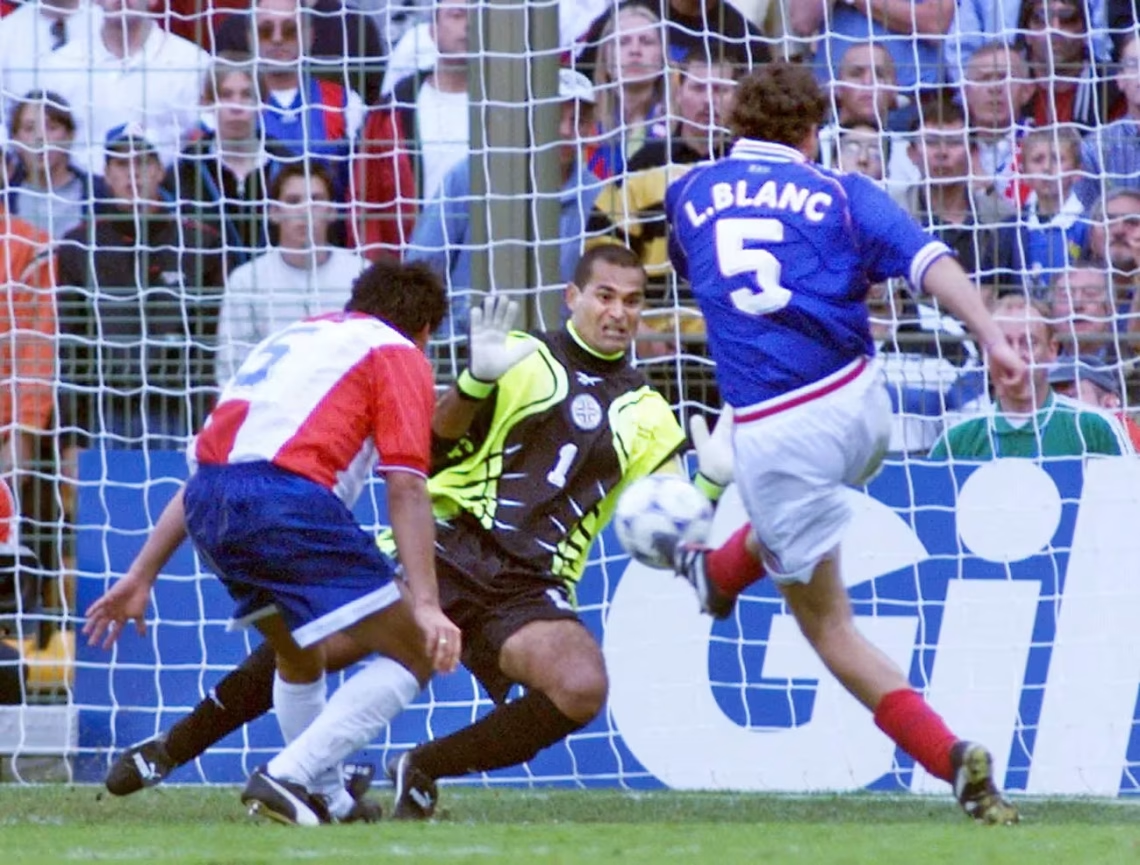
France Paraguay – Golden Goal 1998
This Saturday, July 4th at 11 pm, following a series of impressive victories in the group stages, France plays Paraguay for a place in the last 8 of the 2026 FIFA World Cup. It is not the first time that the two teams have met at this stage of the competition. It also happened 28 years ago during the 1998 World Cup which would make les Bleus world champions for the first time. I can still remember the winning goal very clearly. Laurent Blanc, who wasn't necessarily a player who scored goals, hit home the winner when nothing else had worked. I still carry the sense of the perfect timing…
-
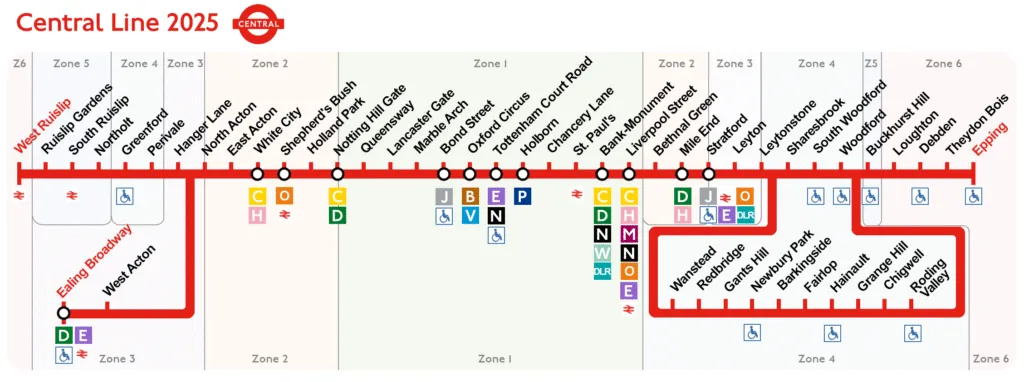
Come on baby, do the Locomotion
Doesn't everybody want to do the locomotion? Little Eva pointed us towards something essential when she sang The Locomotion, that classic song by Goffin & King from 1962. And she was right. Whether you're a driver or a passenger, we all love to feel that movement from where we are to where we want to be, as long as we do it nice and easy and don't lose control, with a little bit of rhythm and a lot of soul. But sometimes we do lose control. Fortunately, the driver is there to help with a reassuring announcement.
-
John Trudell – a voice to be reckoned with
Today is a good day to read about John Trudell and listen to his work because we celebrate his 80th heavenely birthday. I first noticed John Trudell in 1992, the year he released a CD called AKA Grafitti Man. It was the wind and fury of "Rockin the Res", heard on the radio, that first stopped me in my tracks. His was a voice : almost conversational but somehow assertive. He seemed to be talking about life as he experienced it, but also something wider. And wilder. The tension and poetry made you sit up and listen, and the music made you want to dance even if you didn't know…
-
Lend me your eyes so my ears can see
Audio description or AD is the oral narrative system used in film, and during certain live events such as theatre performances and sporting competitions, to compensate for the absence of images for the visually deficient. ADs of screenworks are pre-recorded, but for live events the description is spoken by the describer simultaneously with the event. In this post, beginning from the origins of AD, we'll visit the various stages involved in creating the audio description for a screen fiction by which an audio describer works to make the visual become verbal.
-
Come any closer and you’ll be in the movie
As a kid, I used to dream of sitting in the front row at the cinema, but you had to fight for a place. 60 years on, it's another story but, when it happened to me, I had an unexpected and unforgettable visual experience. I saw things you don't normally notice, and I heard others that you don't normally listen for.
-
Songsmith Bruce Springsteen tells dark bedtime stories – and the world wants more
The album "Nebraska" by Bruce Springsteen was first released in 1982. We'd listen to a tape of it on the battery cassette player we took in our car on long trips. "Nebraska" was a twilight choice. With each song we carried an extra passenger who would briefly be there, tell their tale, then vanish, leaving space for the next one.
-
Spring clean
We have been doing a Spring-clean on the blog and the new version is ready. Easier to read and to use.