the subjective classroom
-
Communicating in a foreign language means constantly inventing
Speaking is a creative process, but language learners sometimes need encouragement to let it happen. Here is the story of 3 lessons which made a curiously quiet class of 17-18 year-olds talkative. This is the last of 6 articles based on learning activities to give confidence when speaking developed in direct response to things people say about what makes speaking so hard.
-
Convincing a quiet class to communicate
How do you convince a class of 17-18 year-olds to speak when they prefer to stay quiet? Quite a challenge. A language class feeds on student participation and interaction. Welcome to the engine room of the good ship Teach English in a French secondary school. This is the story of a class of pleasant, intelligent students who are curiously quiet. Is it fear of making mistakes? Or that speaking requires something they can't give? It's up to the teacher to take the first step in trying to understand the situation. Wish me luck. I'll have to come up with something. But that's okay because I know that communication is constant…
-
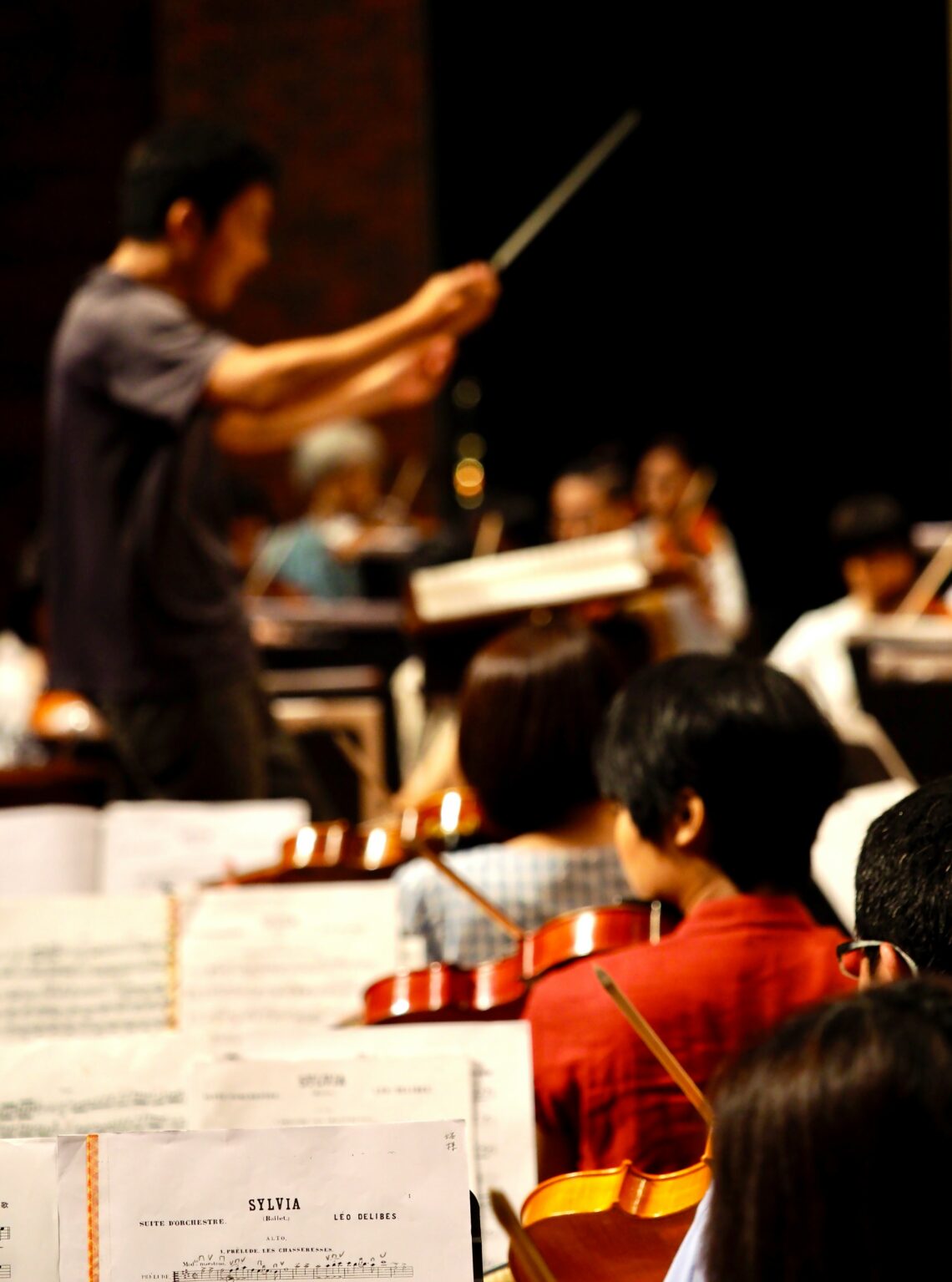
The story of a speech disorchestrated
The prospect of speaking in public leaves nobody indifferent. There's no such thing as a perfect speech, we all know that. But we also know that accepting to stand up and speak means that anything can happen - for better or for worse. It makes you think, doesn't it? After all, our voice is us, it's our identity. For all these reasons, I have chosen to write about a recent experience I had speaking in public in front of quite a large audience where I completely lost my thread. For a brief instant I stammered, I stuttered and I spluttered. But I survived and, above all, I decided to take…
-
Teenage student voices as part of a live news programme in class
We all know someone who doesn't like the sound of their own voice, and sometimes that someone is us. But what if the whole class works together on the recording of a live news programme with the teacher as presenter? Here is an example of a collaborative oral production which is engaging, challenging and gives everyone a chance to raise their voice.
-
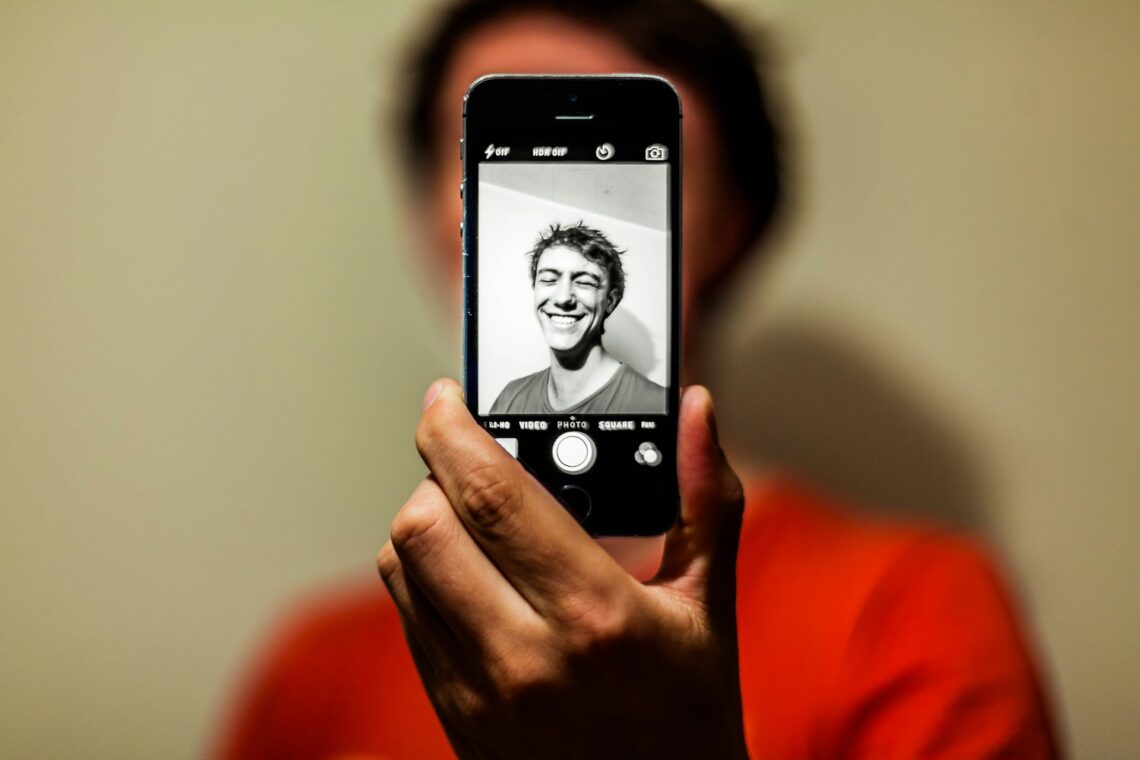
Why hearing your own voice is like looking at a selfie
If you don't like the sound of your own voice on a recording, that's because it's not the voice you hear when you speak. This article invites you to think of it as an audio-selfie : you can spend as long as you like wondering who is in a photo you've just taken of yourself which doesn't look right, it's definitely you. Time to take a listen in the mirror for a closer look at your voice.
-
Words tripping off the tongue
Panicky about speaking in public or for an exam? If not, you probably know somebody who is. If you teach, ask people you have in class why public speaking, or simply oral expression, is so difficult for them. I did. They didn't mention fluency or accuracy. They said : "I don't like my voice." They said : "I am afraid of speaking in public." How can we use comments like these to create new teaching options? Let's help learners find a new connection with oral expression.
-
Foreign is such a strange word
I've lived as a foreigner and taught my mother tongue as a foreign language most of my life. In fact, foreign started early for me. I discovered the word foreign when I was 5 or 6 years old and immediately found it odd. I remember this encounter distinctly : the lead pencils we learnt to write with at primary school all had the word foreign written on their dark green barrels near the top in gold letters. Want to know more? Read this tale of innocence.
-
Mario Rinvolucri, Master Teacher
Mario Rinvolucri, master teacher, passed away this week at the age of 84. He opened the door to teaching English as a Foreign Language for me. Then, once inside, he showed me how to open the windows and let in the light. He loved nothing more than a noisy classroom humming with conversation. He was one of a kind.
-
Look and say
I learnt to read at school. At first, that meant reading out loud while somebody listened. It was a public experience. This oralizing from words on a page felt strange but exciting, as if something was passing through me from the page to the sounds I uttered. It was like being part of something new. Although the ultimate goal would be to read silently, Mr Harding, a primary school teacher, reminded us that we could still sometimes break that rule.
-
So what is the Subjective Classroom?
Once it is up and running, the subjective classroom is a busy place in which everybody is invited to contribute actively. The focus is on developing skills applied to meaningful content. Individual contributions are essential to the construction of what goes on, and people participate once they understand their voice matters. This is by no means simple for people more familiar with a more directive, objective classroom, but helping them change their perspective, even partially, is a mutually enriching process.