Orality and Storytelling
I was drawn to orality even as a kid, loving accents, imitations, wordplay and narrative. An encounter with innovators in the use of storytelling in the foreign language classroom early in my teaching career enabled me to travel my own road through the oral tradition. This section of the blog is, I hope, a natural mix of experience and experiment. Much of what is published here will be put in writing for the first time.
-
The undertaker’s friend
This piece first came to life as a spontaneous oral story when talking casually with friends about how narrative could just come out of the air. The man and the horse walking together were suddenly there and I followed them to the bridge. Later I realised it was an echo of an anecdote I'd forgotten from my mother's family who raised horses in County Cork on her father's side, and I wrote it down.
-
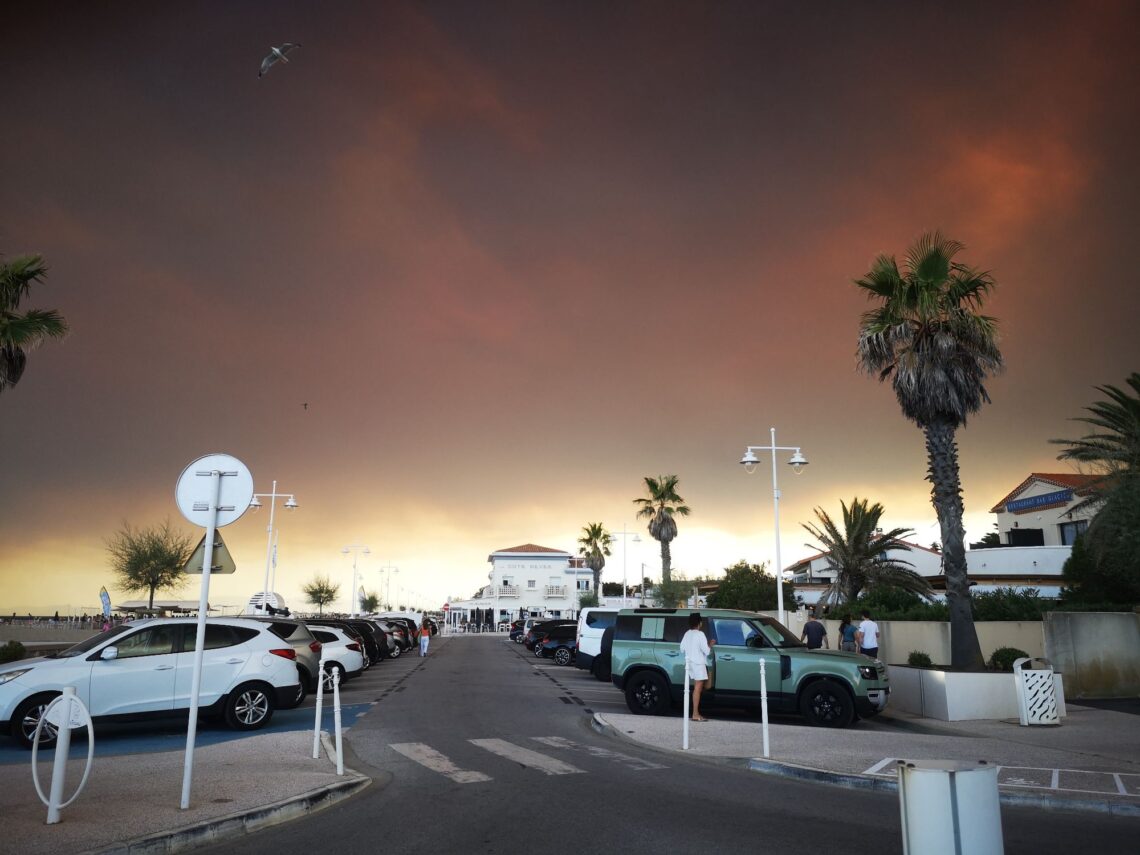
Eye-awful wildfire in France
I was at the beach in Leucate for a family afternoon when at around 4pm the sky began to change colour. Darker and darker, first taking the heat off the sun but in the space of less than an hour then stealing the light. It reminded me of a solar eclipse. People were still at the beach but the sky was no longer blue.
-
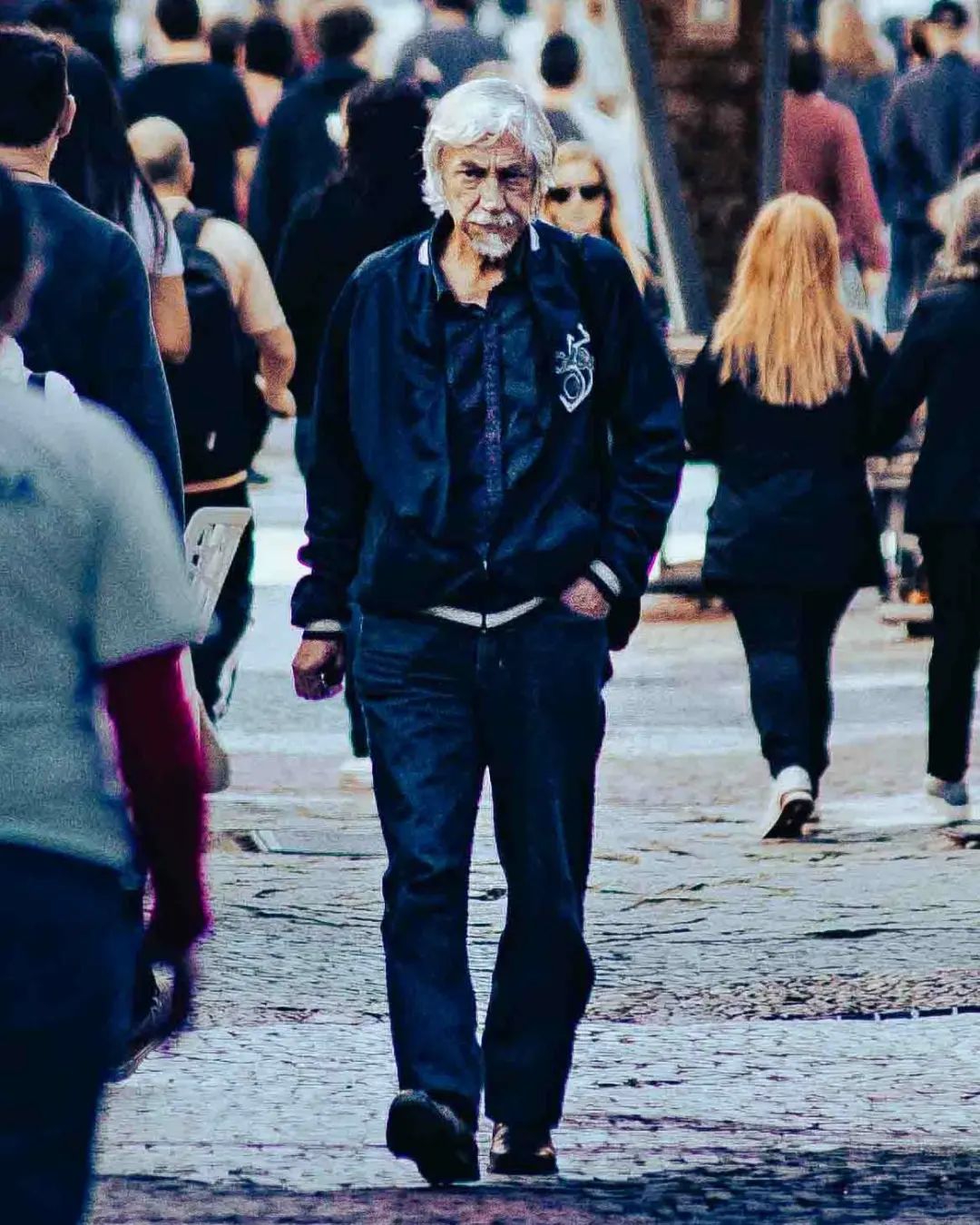
Going against the flow : faces in the crowd
Crowds can make us feel safe and give us a sense of belonging, but they can also make us feel uncomfortable and leave us dreaming of a space of our own. The same can be said of life online, where the invitation to click or share to show our approval or dispproval as one of the crowd is so difficult to resist. But how do we percieve somebody who breaks free from a crowd of whatever sort and takes their own path? A street photo by Alejandro Diez invites us to explore precisely that question.
-
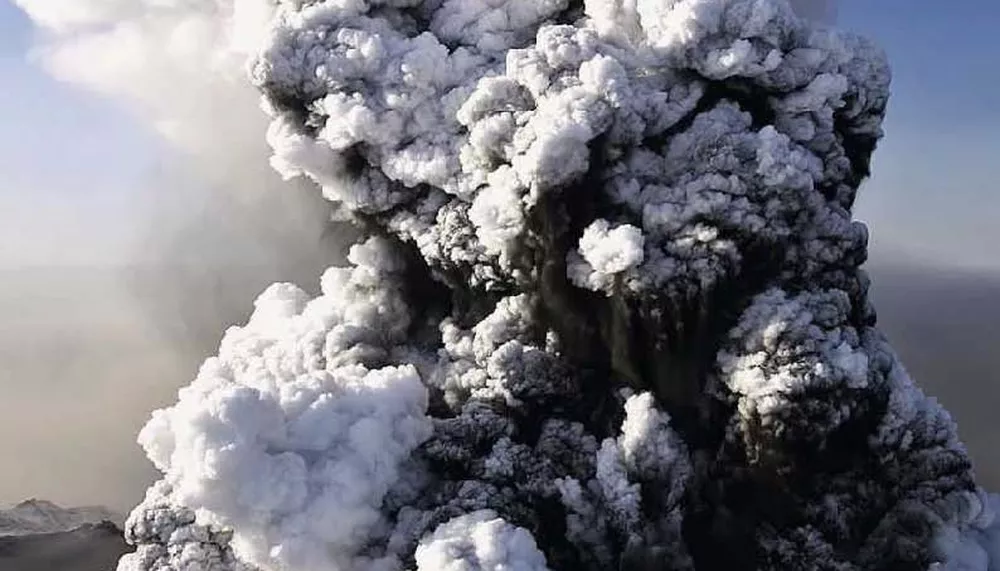
Eyjafjöll : the unsaga of an eye-awful eruption
Wildfires in Canada created smoke haze in Europe recently. But who remembers the eye-awful effect of the eruption of an Icelandic volcano in 2010?
-
Spring clean
We have been doing a Spring-clean on the blog and the new version is ready. Easier to read and to use.
-
No Ordinary Rider
What's independence? Freedom from being governed by another country. The ability to live your own life. The capacity to make decisions and do things for yourself. Here's a picture of somebody who you may not immediately turn your head to look at in the street, but who was noticed by a photographer. The result ? The very picture of independence.
-
The Room Next Door
Is there a door to death? Seeing the new Almodovar film about assisted dying sent me back to something I wrote down in answer to this question after seeing my mother for the last time. Quite a journey, but one which shows what happens when metaphors get real. Let me try and explain.
-
Vehicle of Change
My all time favorite automobile has to be a grey Morris Oxford Series II with red leather seats. It was our first family car which our dad turned up with one evening after work shortly before we moved house in the summer of 1964.
-
Sporting confrontations : war minus the shooting?
This next travel tale has a sporting flavour. A fight on a station platform at Greenwich between rival football supporters recalls George Orwell's connection between sport and war. What can this fight tell us about territory, identity and the sense of belonging in these war-driven times?
-
The art of people-watching
People-watching requires no specific qualifications, just a little time and the curiosity to do something other than scrolling through irrelevant notifications on your phone. This means that, instead of looking down, you look up. What may turn up in our immediate environment has not been chosen by an algorithm. At least, not yet. This next piece in this scrapbook of travel tales is about a people-watching experience et Gatwick Airport.